The Rise of Seamless Pattern of Leaves and Grass in Modern Design
In an era where aesthetics and functionality are increasingly intertwined, the seamless pattern of leaves and grass has emerged as a powerful design element that bridges nature and modernity. This recurring motif, often seen in graphic design, branding, and digital media, offers a unique blend of organic beauty and visual coherence. As designers, entrepreneurs, and creators seek to connect with audiences through meaningful visuals, the seamless pattern of leaves and grass is gaining traction for its versatility, emotional resonance, and adaptability across multiple industries.
What Is a Seamless Pattern of Leaves and Grass?
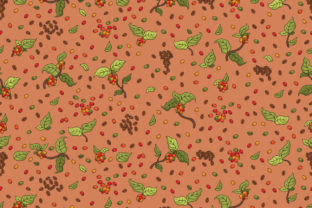
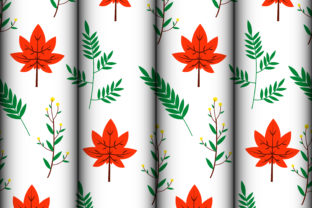
A seamless pattern of leaves and grass is a repeating design that can be tiled without visible seams or gaps, creating a continuous visual flow. These patterns typically feature stylized elements like foliage, vines, and grass blades arranged in a way that allows them to repeat seamlessly. Unlike traditional floral motifs, which often focus on flowers, these patterns emphasize the natural textures and forms of plant life, offering a more grounded and earthy aesthetic.
These patterns are commonly created using vector graphics, allowing for scalability and flexibility. They can be customized to suit various applications, from packaging and textiles to web backgrounds and app interfaces. The use of vector design ensures that the patterns remain crisp and clear at any size, making them ideal for both print and digital environments.
Why Are People Paying Attention to Seamless Patterns of Leaves and Grass?
The growing interest in seamless patterns of leaves and grass reflects broader trends in design and consumer behavior. In recent years, there has been a noticeable shift toward nature-inspired aesthetics, driven by a desire for authenticity, sustainability, and mindfulness. Consumers are increasingly drawn to designs that evoke a sense of calm, connection to the environment, and organic simplicity.
Moreover, the rise of eco-conscious branding has made natural motifs more relevant than ever. Brands are seeking ways to communicate their values through visual language, and seamless patterns of leaves and grass offer a subtle yet impactful means of doing so. These designs can be used to reinforce themes of growth, renewal, and environmental responsibility, aligning with the values of many modern consumers.
Graphic Design and Branding
In the world of graphic design, seamless patterns of leaves and grass are being used to create cohesive brand identities that feel both contemporary and timeless. Whether it's a logo, website background, or social media assets, these patterns add depth and character without overwhelming the viewer.
For example, wellness brands often incorporate such patterns into their visual storytelling to reflect their commitment to natural living and holistic well-being. Similarly, outdoor and lifestyle brands use these motifs to convey a sense of adventure and connection to the natural world.
Digital and Web Design
The digital landscape is also embracing the seamless pattern of leaves and grass. With the increasing popularity of responsive web design, designers are looking for scalable and adaptable visual elements that work across devices. Seamless patterns are particularly well-suited for this purpose, as they can be easily integrated into backgrounds, buttons, and other UI components.
Additionally, the use of vector-based seamless patterns allows for efficient file management and faster loading times, which is crucial for performance-driven websites. This makes them a practical choice for developers and designers who need to balance aesthetics with functionality.
Print and Product Design
From product packaging to textile printing, seamless patterns of leaves and grass are finding new applications in the physical world. These patterns are especially popular in the fashion and home décor industries, where they are used to create visually appealing and tactile experiences.
For instance, sustainable fashion brands are incorporating these patterns into their collections to highlight their eco-friendly materials and ethical production processes. Similarly, interior designers are using seamless patterns on fabric and wall coverings to bring a touch of nature indoors, enhancing the overall ambiance of a space.
Minimalism Meets Nature
One of the most significant design trends influencing the popularity of seamless patterns of leaves and grass is the fusion of minimalism and nature. While minimalism emphasizes simplicity and clean lines, it doesn't exclude the use of organic elements. Instead, it seeks to integrate them in a way that feels intentional and harmonious.
Seamless patterns of leaves and grass offer a perfect balance between these two approaches. They provide visual interest without clutter, making them ideal for minimalist spaces and designs that aim to evoke a sense of tranquility and natural beauty.
Sustainability and Ethical Design
As the world becomes more aware of environmental issues, the demand for sustainable and ethical design continues to grow. Seamless patterns of leaves and grass align with this movement by offering a way to incorporate natural elements into design without the need for real plants or excessive resources.
Furthermore, the ability to create custom seamless patterns using vector software means that designers can produce high-quality, repeatable designs without relying on physical materials. This not only reduces waste but also supports the circular economy by promoting reuse and repurposing of digital assets.
Personalization and Customization
Another trend driving the adoption of seamless patterns of leaves and grass is the increasing emphasis on personalization and customization. Consumers today expect tailored experiences that reflect their individual tastes and values. Seamless patterns allow for this level of personalization by enabling designers to create unique, repeatable visuals that can be adapted to different contexts and audiences.
For example, small businesses and independent creators can use seamless patterns to develop branded materials that stand out while maintaining a cohesive visual identity. This flexibility makes them a valuable tool for entrepreneurs and freelancers looking to build their own design libraries.
Practical Examples and Observations
Looking at real-world applications, it's clear that seamless patterns of leaves and grass are being used in innovative ways. One notable example is in the realm of digital marketing, where these patterns are incorporated into email templates, social media posts, and landing pages to create a consistent and engaging brand experience.
Another observation is the growing use of these patterns in educational and wellness apps. Many meditation and mindfulness apps now feature seamless patterns of leaves and grass as part of their interface design, helping users relax and focus through visual cues that evoke a sense of peace and serenity.
Additionally, in the field of graphic illustration, artists are using seamless patterns as a foundation for more complex compositions. By layering and combining different elements, they can create rich, detailed scenes that maintain the integrity of the seamless design while adding depth and texture.
Conclusion: Embracing the Future of Design
The seamless pattern of leaves and grass represents more than just a design trend—it’s a reflection of evolving creative, technological, and consumer landscapes. As we move forward, the integration of natural elements into digital and physical spaces will continue to play a central role in shaping our visual culture.
For professionals, creators, and enthusiasts alike, understanding and utilizing seamless patterns of leaves and grass can open up new opportunities for innovation and expression. Whether you're designing for a brand, developing a product, or building a personal portfolio, these patterns offer a versatile and meaningful way to connect with your audience through the power of design.