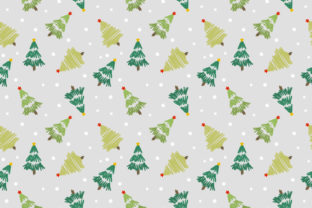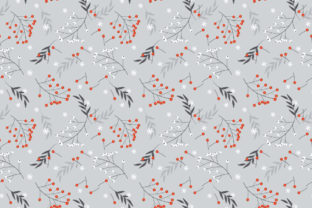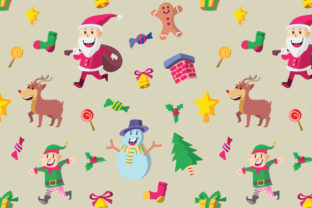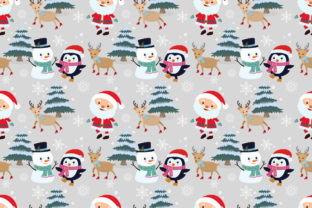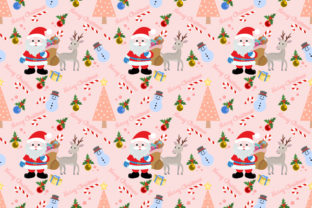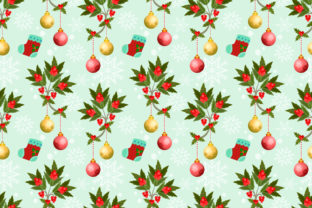
Christmas Ball, Plant and Socks Pattern
This isn’t just another holiday pattern—it’s a quiet celebration of contrast and cohesion. The Christmas Ball, Plant and Socks Pattern layers festive ornaments, delicate botanical forms, and whimsical knitwear motifs into a single, seamless repeat. No jarring edges, no forced symmetry—just organic rhythm. Think glossy red baubles nestled beside eucalyptus sprigs and cable-knit sock cuffs rendered in soft, confident line work. The palette leans natural: forest green, cream, charcoal, and deep cranberry—but because it’s delivered as a high-res .jpg and vector EPS file, you control the color shift for any project.
A Pattern That Breathes With Your Project
Unlike rigid clipart or overused stock repeats, this pattern moves with intention. Its 5000 × 5000 px resolution ensures crisp detail on large-format prints—think retail window backdrops, trade show banners, or custom wallpaper for a boutique café. The EPS 8 vector version scales infinitely without degradation, making it ideal for logo lockups, embroidered patches, or engraved gift tags. Because it’s seamless, you can tile it across fabric bolts for scarves or tea towels, wrap it around candle tins, or use it as a subtle texture overlay in editorial layouts.
Designers working in branding will appreciate how it bridges warmth and polish. It’s festive without being childish, detailed without feeling cluttered. A small-batch candle maker might use it on jar labels and Instagram story templates; a children’s book illustrator could adapt its plant-and-sock rhythm as chapter dividers; a wedding stationer might soften the reds and greens into sage and ivory for a cozy winter invite suite.
Where It Fits—And Where It Doesn’t
This pattern shines where personality matters more than neutrality. It’s not meant for corporate annual reports or legal disclaimers. But for a handmade soap brand launching a “Winter Hearth” collection? Absolutely. For a craft fair booth banner that needs to stand out without shouting? Yes. For social media carousels promoting a knitting workshop or indoor plant care guide? Strong fit.
It works especially well in contexts where tactile authenticity resonates—packaging for ceramic mugs, linen napkin prints, or even as a background layer behind minimalist product photography. In digital spaces, reduce opacity slightly (15–25%) to keep text legible while preserving its charm. On dark mode interfaces, invert the base tones or recolor in monochrome greys to maintain contrast without visual fatigue.
Testing Fit Before You Commit
Before applying the Christmas Ball, Plant and Socks Pattern across your entire product line, ask three things: Does it support—not compete with—the core message? Does it feel like an extension of your existing brand voice? And does it scale gracefully across formats?
Try it in context. Drop the .jpg into a mockup of your gift box template. Paste the EPS into your Affinity Designer layout next to your current logo and body typeface. Print a 4×4 inch swatch on your intended fabric or paper stock—screen previews lie about texture and bleed. Notice how the bauble highlights catch light, how the sock cuff lines hold up at 12 pt versus 24 pt. If your brand relies heavily on clean sans serif typography (like Inter or Poppins), this pattern adds welcome warmth without clashing—its hand-drawn looseness balances geometric precision beautifully.
Practical Pairings and Real-World Adjustments
You don’t need to reinvent the wheel when combining this pattern with type. For packaging or web headers, try pairing it with a sturdy, slightly condensed sans serif (e.g., Montserrat Bold) to ground the playfulness. For editorial use—say, a seasonal zine—you might lean into contrast: set body copy in a warm serif like Merriweather and let the pattern breathe as a full-page spread or section divider.
If you’re adapting it for textile printing, check with your supplier whether they require CMYK conversion or prefer RGB. Most modern DTG printers handle RGB fine, but screen-printers often request Pantone references—so tweak colors in Illustrator first, save named swatches, and document them. And remember: the EPS includes editable paths, meaning you can isolate a single sock motif to use as a standalone icon, or extract a cluster of berries for a social media badge.
Licensing, Legibility, and Long-Term Use
The included license covers commercial use—no per-product fees, no attribution required. That means you can sell products featuring this pattern, use it in client work (with appropriate credit to your own studio, not the pattern source), or feature it across multiple platforms without renegotiating terms. Just avoid reselling the pattern file itself or claiming authorship of the design.
Legibility isn’t usually a concern with patterns—but it becomes one when overlaid with text. Never place body copy directly on top of dense areas like overlapping baubles and leaf clusters. Instead, reserve clear zones: use the pattern as a border, frame, or background for illustrated elements, then add text in negative space or on solid-color panels. In web design, apply it as a background-image with a semi-transparent overlay for guaranteed readability.
Over time, this pattern builds recognition—not as a logo, but as a consistent textural signature. A coffee roaster using it on bags, coasters, and website headers trains customers to associate that gentle rhythm with quality and care. It doesn’t scream “holiday”—it whispers “thoughtful,” which is why it stays relevant beyond December. Used sparingly, it elevates. Used intentionally, it connects.
What makes the Christmas Ball, Plant and Socks Pattern enduring isn’t its seasonal hooks—it’s its balance of specificity and flexibility. It gives you baubles, but also breathing room. Plants, but not botanical overload. Socks, but never kitsch. It’s design infrastructure disguised as delight.