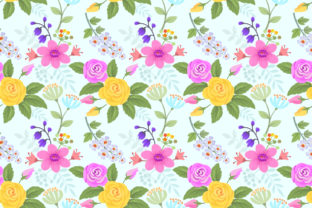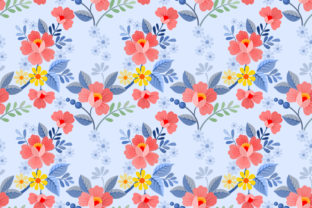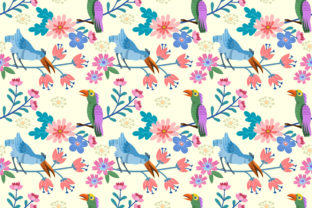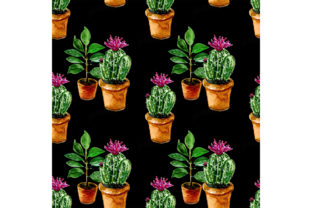
Seamless Pattern with Potted Flowers
In the world of design, where aesthetics meet functionality, seamless patterns have emerged as a powerful tool for creating visually cohesive and versatile visuals. A seamless pattern with potted flowers is not just a decorative element—it's a design solution that bridges the gap between art and utility. Whether you're working on a textile project, digital graphic design, or interior decoration, understanding how to use these patterns effectively can elevate your work and align it with modern design sensibilities.
The Evolution of Seamless Patterns in Design
Seamless patterns have been around for decades, but their relevance has grown significantly in recent years. As digital tools become more accessible and design workflows evolve, the demand for repeatable, scalable visuals has increased. A seamless pattern with potted flowers, for instance, allows designers to create intricate backgrounds or textures that can be used across multiple platforms without visible seams or disruptions.
One of the key reasons why seamless patterns are gaining traction is their adaptability. They can be applied to everything from wallpaper and fabric to website backgrounds and app interfaces. This versatility makes them particularly useful in today’s multi-platform design landscape. For example, a designer working on a brand identity might use a seamless pattern with potted flowers as part of a logo background, ensuring consistency across all touchpoints—from print materials to digital banners.
Why Potted Flowers Matter in Design
Potted flowers bring a sense of life and warmth to any design. In an era where people are increasingly seeking natural elements in their surroundings, incorporating floral motifs into design work has become both practical and appealing. A seamless pattern with potted indoor flowers taps into this trend by offering a way to integrate nature into digital and physical spaces without the need for real plants.
This kind of pattern is especially popular among interior designers and home decor enthusiasts who want to add a touch of greenery to their living spaces. It also resonates with those who may not have the space or resources to maintain actual plants but still desire a connection to nature. By using seamless patterns, they can achieve the same visual effect without the maintenance involved.
Moreover, the use of potted flowers in seamless patterns reflects a broader shift towards minimalism and intentional design. These patterns often feature clean lines, soft colors, and organic shapes that complement modern interiors while adding a subtle, elegant touch. This makes them ideal for use in both residential and commercial settings, from boutique stores to office environments.
Trends Driving the Popularity of Seamless Floral Patterns
Several trends are contributing to the growing popularity of seamless patterns featuring potted flowers. One of the most significant is the rise of hybrid design—a blend of digital and physical creativity. With the increasing use of AI and machine learning in design tools, creators can now generate highly detailed and customizable seamless patterns in a fraction of the time it would take manually.
Another trend is the emphasis on sustainability. While seamless patterns themselves are not inherently eco-friendly, they offer a way to reduce waste by allowing designers to reuse and repurpose visual elements across projects. This aligns with the values of many consumers and businesses who are looking for more environmentally conscious design solutions.
Additionally, the trend toward personalization has made seamless patterns more relevant than ever. Today’s users expect tailored experiences, whether it’s through custom branding, unique product designs, or personalized content. A seamless pattern with potted flowers can be adapted to fit various styles and themes, making it a flexible choice for creators who want to offer customized options to their clients or customers.
Practical Applications Across Industries
The applications of seamless patterns with potted flowers extend beyond traditional design fields. Let’s explore some real-world examples:
- Fashion and Textiles: Seamless floral patterns are commonly used in clothing and home textiles, providing a consistent and elegant look that can be scaled for different products.
- Digital Media: Websites and apps often use seamless patterns as background elements to create a visually engaging user experience without overwhelming the content.
- Interior Design: These patterns can be used in wall coverings, floor tiles, and decorative accessories to add a touch of nature to any room.
- Marketing and Branding: Companies can incorporate seamless floral patterns into their branding to reflect a sense of growth, vitality, and sophistication.
These examples highlight how seamlessly integrating potted flowers into design work can enhance both aesthetics and functionality. Whether you're a professional designer or a hobbyist exploring new creative avenues, understanding the potential of seamless patterns can open up new possibilities for your projects.
Creating and Using Seamless Patterns Effectively
While the concept of seamless patterns may seem straightforward, creating one that looks natural and professional requires attention to detail. Here are a few tips for working with seamless patterns featuring potted flowers:
- Plan Your Layout: Before starting, sketch out your design and ensure that the elements will repeat seamlessly without disrupting the flow.
- Use High-Quality Assets: The quality of your source images or vector graphics will directly impact the final result. Invest in high-resolution assets to maintain clarity when scaling.
- Test Different Sizes: Preview your pattern at various sizes to ensure that it looks good in both small and large formats.
- Consider Color and Contrast: Choose colors that complement each other and provide enough contrast to make the design stand out.
- Stay Flexible: Be open to adjusting your design based on feedback or changes in project requirements.
By following these best practices, you can create seamless patterns that are not only visually appealing but also functional and adaptable to a wide range of applications.
Conclusion: Embracing the Future of Design
As we continue to navigate an ever-changing design landscape, the importance of seamless patterns with potted flowers cannot be overstated. They represent a fusion of artistry and practicality, offering endless opportunities for creativity and innovation. Whether you're a seasoned designer or just starting out, embracing these patterns can help you stay ahead of current trends and meet the evolving needs of your audience.