Line Art Owl Seamless Pattern: A Versatile Tool for Designers and Creators
The Line Art Owl Seamless Pattern is a powerful design asset that offers both aesthetic appeal and functional versatility. Designed for use in a wide range of creative projects, this pattern is particularly well-suited for designers, illustrators, and anyone looking to enhance their visual work with clean, elegant lines. Its seamless nature allows it to be repeated without visible seams, making it ideal for backgrounds, textiles, packaging, and digital assets.
Understanding the Line Art Owl Seamless Pattern
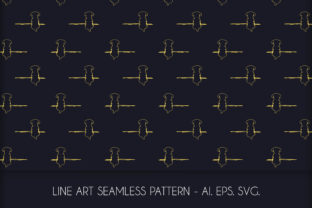
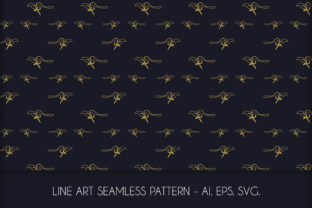
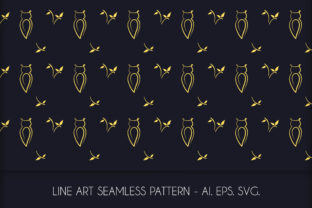
The Line Art Owl Seamless Pattern is more than just an image—it’s a structured design element that can be easily integrated into various workflows. At its core, the pattern features intricate line art of an owl, rendered in a minimalist style that emphasizes form and detail. The design is crafted to repeat seamlessly, which means it can be stretched or tiled across any surface without losing its integrity.
This type of pattern is commonly used in graphic design, branding, and web development. It provides a consistent visual language that can be applied across different mediums, from print materials to digital interfaces. Whether you're creating a website background, designing a logo, or working on a textile project, the Line Art Owl Seamless Pattern offers a versatile foundation that can be customized to suit your needs.
Key Features of the Line Art Owl Seamless Pattern
- Adobe Illustrator File: This vector format ensures scalability and precision, allowing for easy editing and integration into design software.
- High Resolution JPEG 300DPI: Ideal for print and digital use, this file maintains quality at any size, ensuring professional results.
- SVG File: As a scalable vector graphic, this format allows for infinite resizing without loss of quality, making it perfect for responsive design and web applications.
- EPS File: Compatible with a variety of vector-based programs, this file format is great for those who need cross-platform compatibility and high-quality output.
Each file format serves a specific purpose, offering flexibility depending on the project's requirements. For instance, SVG files are excellent for web use, while EPS files are often preferred for print and professional design workflows.
Where Does the Line Art Owl Seamless Pattern Fit Into Your Workflow?
The Line Art Owl Seamless Pattern can be incorporated at multiple stages of a design project. Before starting a new project, using a seamless pattern can help establish a cohesive visual theme. During the design phase, it can serve as a background or decorative element that adds depth and interest without overwhelming the main content.
After the initial design is complete, the pattern can be used for texture overlays, repeating elements, or even as part of a larger composition. Its adaptability makes it a valuable asset throughout the entire creative process, whether you're working on branding materials, digital illustrations, or product packaging.
How to Integrate the Line Art Owl Seamless Pattern Into Your Projects
Integrating the Line Art Owl Seamless Pattern into your workflow requires some planning and preparation. Start by determining the purpose of the pattern within your project. Will it be used as a background, a texture overlay, or a repeating element? Once you have a clear idea, consider how each file format will fit into your existing tools and platforms.
For example, if you're working on a website, the SVG format would be the most suitable choice due to its scalability and compatibility with web technologies. If you're preparing a print layout, the high-resolution JPEG file would provide the best quality for physical reproduction. Understanding the strengths of each file format ensures that you select the right one for your specific needs.
When using the pattern in design software like Adobe Illustrator or Photoshop, take the time to adjust the placement, scale, and opacity to achieve the desired effect. Experimenting with different layers and blending modes can also help you create unique visual compositions that align with your creative vision.
Practical Use Cases for the Line Art Owl Seamless Pattern
The Line Art Owl Seamless Pattern is not limited to a single application. Here are a few practical use cases where it can add value:
- Branding: Incorporate the pattern into logos, stationery, or promotional materials to create a cohesive brand identity.
- Digital Illustrations: Use the pattern as a background or texture in digital artworks to enhance depth and visual interest.
- Textile Design: Apply the pattern to fabric designs for clothing, home décor, or craft projects.
- Web Development: Implement the SVG version of the pattern as a background in websites or mobile applications.
- Print Materials: Utilize the high-resolution JPEG file for brochures, posters, or packaging designs.
By considering these use cases, you can better understand how the Line Art Owl Seamless Pattern can support your creative goals and streamline your workflow.
Best Practices for Using the Line Art Owl Seamless Pattern
To get the most out of the Line Art Owl Seamless Pattern, follow these best practices:
- Prepare Your Workspace: Organize your design files and ensure that all necessary tools are accessible before beginning your project.
- Test Compatibility: Verify that the chosen file format works seamlessly with your design software and intended platform.
- Experiment with Layouts: Try different placements and combinations to see how the pattern interacts with other design elements.
- Ensure Consistency: Maintain a consistent color scheme and style to keep your design visually harmonious.
- Review Quality: Always check the final output for clarity and resolution, especially when preparing for print or web use.
By following these steps, you can maximize the effectiveness of the Line Art Owl Seamless Pattern and ensure that it enhances your overall design outcome.
Conclusion
The Line Art Owl Seamless Pattern is a valuable resource for designers and creators who are looking to elevate their work with elegant, repeatable visuals. Its versatility and ease of use make it a great addition to any creative toolkit. Whether you're working on a small personal project or a large-scale business initiative, understanding how to integrate this pattern into your workflow can significantly improve your results.